Seetang vs. Kelp: Worin liegt der Unterschied?
Seaweed and kelp are terms that are often used interchangeably, but there is a distinction between them. Both are forms of marine algae, but they differ mainly in their biological classification and ecological roles.
Read on for a breakdown of the main differences between seaweed vs kelp.
Navigate this article
- "Seaweed" is a broad term covering red, green and brown marine algae.
- Kelp is a specific subgroup of large brown algae that forms dense underwater forests.
- Kelp forests are especially important for biodiversity, carbon storage and coastal protection.
- Kelp needs colder, nutrient-rich water and anchors itself with a root-like holdfast.
- Both seaweed and kelp support fisheries, food, and industrial and medicinal uses.
Algen ist ein allgemein verwendeter Begriff, der verschiedene Salzwasserpflanzen verwendet wird. Algen und Seetang werden oft synonym verwendet, doch es gibt einen Unterschied zwischen ihnen. Beide sind Meeresalgen, unterscheiden sich aber hauptsächlich in ihrer biologischen Klassifizierung und ihren ökologischen Funktionen. Im Folgenden finden Sie eine Übersicht der wichtigsten Unterschiede zwischen Seetang und Kelp.
Inhaltsverzeichnis
Algen
„Algen“ ist ein Oberbegriff für viele verschiedene Arten von Meerespflanzen, die im Salzwasser und manchmal auch im Süßwasser wachsen. Seetang lässt sich anhand seiner Pigmentierung, Struktur und anderer Merkmale in verschiedene Gruppen einteilen. Zu diesen Gruppen gehören:
- Rotalgen (Rhodophyta): Aufgrund ihrer Fähigkeit, blaues Licht zu absorbieren und tiefer ins Wasser einzudringen, sind sie oft in größeren Tiefen zu finden.
- Grünalgen (Chlorophyta): Sie ähneln in vielerlei Hinsicht Landpflanzen und kommen sowohl in Meeres- als auch in Süßwasserumgebungen vor.
- Braunalgen (Phaeophyceae): Kommen typischerweise in kälteren Gewässern entlang felsiger Küsten vor und umfassen viele Algenarten, die in der Küche und Industrie verwendet werden.
Algen gibt es in verschiedenen Größen, von winzigen, fast mikroskopischen Arten bis hin zu größeren Exemplaren, die mehrere Meter lang werden können.
Seetang
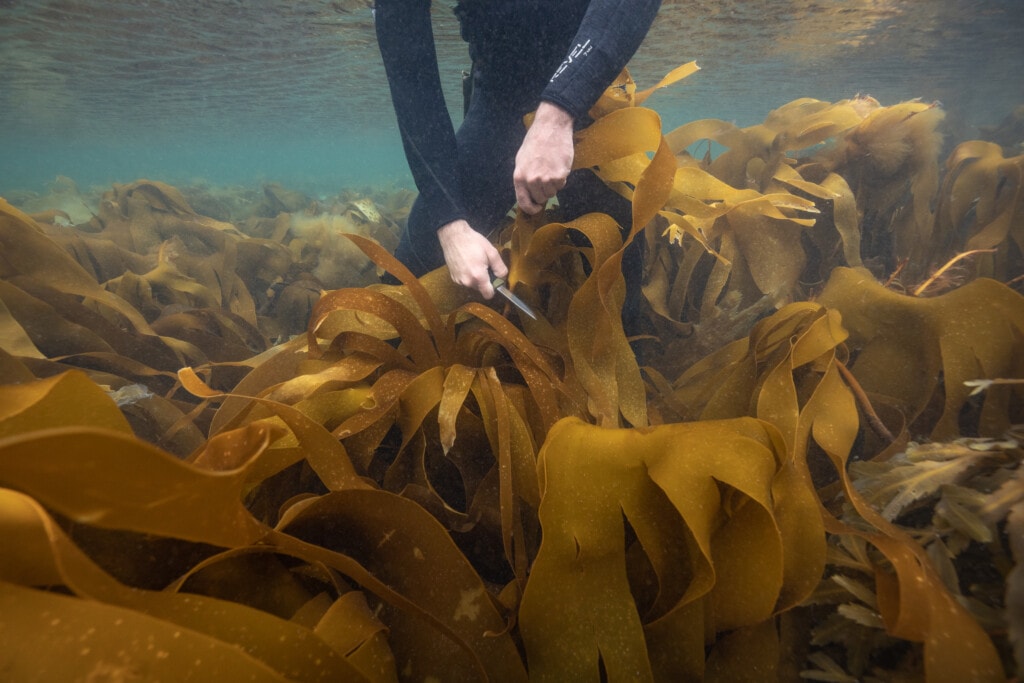
Seetang bezeichnet eine Untergruppe großer Braunalgen, die alle zur Ordnung der Laminariales gehören. Diese Gruppe umfasst einige der größten Meeresalgen der Welt. Seetang ist bekannt dafür, dichte Unterwasserwälder zu bilden, die reich an Biodiversität sind und wichtige Lebensräume für Meereslebewesen bieten. Im Gegensatz zu anderen Algenarten benötigt Seetang nährstoffreiches Wasser mit kühleren Temperaturen und verankert sich typischerweise mit einer Haftscheibe – einer wurzelähnlichen Struktur – an felsigen Untergründen.
Hauptunterschiede
- Größe und Komplexität: Seetang ist im Allgemeinen größer und strukturell komplexer als die meisten anderen Algenarten. Er besitzt eine klar definierte Struktur mit einer Haftscheibe, einem Stiel (ähnlich einem Stängel) und Blättern (blattartigen Strukturen).
- Ökologische Rolle: Seetangwälder sind wichtige marine Lebensräume, die zahlreichen Meeresarten Schutz und Nahrung bieten. Auch andere Algenarten spielen eine bedeutende ökologische Rolle, doch Seetangwälder sind besonders für ihre Fähigkeit bekannt, große Ökosysteme zu erhalten.
- Lebensraum: Seetang findet sich hauptsächlich in kälteren, nährstoffreichen Gewässern, während andere Algenarten in einem breiteren Spektrum von Umgebungen vorkommen, einschließlich wärmerer Gewässer und sowohl im Meer als auch in Süßwasserquellen.
Sowohl Seetang, als auch andere Algenarten sind aufgrund ihrer ökologischen Bedeutung und ihrer vielfältigen Verwendungsmöglichkeiten – beispielsweise als Nahrungsmittel, Nahrungsergänzungsmittel und in verschiedenen industriellen Anwendungen – wertvoll. Seetang zeichnet sich jedoch besonders durch seine ökologische Wichtigkeit und seine einzigartigen Anpassungen an das Leben in kalten, nährstoffreichen Meeresumgebungen aus, die sich in Form mächtiger Seetangwälder manifestieren.
Seetangwälder
Ökologische Bedeutung
- Biodiversität: Seetangwälder zählen zu den artenreichsten Unterwasserökosystemen und bieten Lebensraum, Nahrung und Aufzuchtgebiete für eine Vielzahl von Meeresorganismen, darunter Fische, Wirbellose und Meeressäugetiere. Diese Biodiversität ist entscheidend für den Erhalt der Gesundheit und des Gleichgewichts mariner Ökosysteme.
- Produktivität: Kelp wächst extrem schnell und bietet mit seiner hohen Produktivität einer Vielzahl von Meereslebewesen Lebensraum. Die von Seetangwäldern produzierte Biomasse ist ein wichtiger Bestandteil der Nahrungskette und sichert das Überleben vieler Meeresarten, von kleinen Wirbellosen bis hin zu großen Fischen.
Umweltvorteile
- Kohlenstoffbindung: Seetangwälder spielen eine wichtige Rolle im Kohlenstoffkreislauf. Durch Photosynthese absorbiert Tang Kohlendioxid aus der Atmosphäre und trägt so zur Milderung der Auswirkungen des Klimawandels bei. Dieser Kohlenstoff wird entweder in der Tiefsee durch das Absinken von Kelp-Detritus gebunden oder über die marine Nahrungskette weitergegeben.
- Küstenschutz: Die physikalische Struktur von Tangwäldern dämpft die Wellenbewegung und schützt Küstenlinien vor Erosion. Diese Schutzfunktion gewinnt angesichts der durch den Klimawandel bedingten Zunahme von Sturmintensität und Meeresspiegelanstieg zunehmend an Bedeutung.
- Wasserqualität: Durch die Aufnahme von Nährstoffen und Schwebstoffen aus dem Wasser trägt Seetang zur Verbesserung der Wasserklarheit und -qualität bei. Dieser Filterprozess ist in nährstoffreichen Gewässern von entscheidender Bedeutung, da überschüssige Nährstoffe dort zu schädlichen Algenblüten führen können.
Ökonomischer Wert
- Fischerei: Viele wirtschaftlich wichtige Fischarten sind in Teilen ihres Lebenszyklus auf Seetangwälder angewiesen. Diese Ökosysteme bilden die Grundlage für eine florierende Freizeit- und Berufsfischerei, die für die Wirtschaft vieler Küstengemeinden von entscheidender Bedeutung ist.
- Tourismus und Erholung: Die einzigartige Schönheit und Artenvielfalt der Seetangwälder machen sie zu beliebten Zielen für Taucher, Schnorchler und Ökotouristen und bieten wirtschaftliche Vorteile durch den Tourismus.
Klimaresilienz
- Anpassung an den Klimawandel: Seetangwälder werden zunehmend für ihr Potenzial als Bestandteil von Klimaanpassungsstrategien anerkannt. Indem sie Küstenlinien abpuffern und alternative Nahrungsquellen und Lebensräume bieten, können sie Meeres- und menschlichen Gemeinschaften helfen, sich an den Klimawandel anzupassen.
Seetangwälder sind daher nicht nur für ihr unmittelbares Meeresökosystem von entscheidender Bedeutung, sondern auch für ihren umfassenderen Beitrag zur globalen ökologischen Gesundheit, zur Klimaregulierung und zur wirtschaftlichen Stabilität. Der Schutz und die Wiederherstellung von Tangwäldern sind unerlässlich, um diese Vorteile zu erhalten.
Frequently Asked Questions
Is kelp the same thing as seaweed?
What is the main difference between seaweed and kelp?
Is kelp healthier than other seaweeds?
Can you cook with both seaweed and kelp?
Why does kelp grow so large?
Which is better for the environment: kelp or other seaweeds?
What types of seaweed are commonly eaten?
How can I start using seaweed or kelp in everyday food?
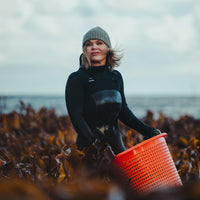
Angelita wuchs im Fischerdorf Napp auf, wo sie bereits als Kind Kabeljauzungen schnitt und für ihren Vater, einen Fischer, Langleinen beköderte. Das Meer war die Lebensader ihrer Familie. Doch ihre Neugierde für Algen erwachte erst, als sie sich im Rahmen ihrer eigenen Ernährungsforschung damit auseinandersetzte. Ihre Entdeckungen führten zu der tiefen Überzeugung, dass Algen die Nahrung der Zukunft sind.