Möchtest du mit uns Algen sammeln?
Es ist leicht zu verstehen, warum diese Idee so verlockend ist. Lofoten zieht Abenteurer, Weltenbummler und Naturliebhaber gleichermaßen an. Atemberaubende Bergpanoramen, kristallklare Luft und türkisfarbenes Wasser ergeben eine berauschende Kombination und bieten in der Tat einen traumhaften Arbeitsplatz. Doch bevor Sie sich in Bildern idyllischer Tage am Meer verlieren, sprechen wir darüber, was es wirklich bedeutet, bei Lofoten Seaweed als Seetang-Ernter zu arbeiten. Wenn Sie bis zum Ende dieser Seite gelesen haben und es sich immer noch nach Ihrem Traumjob anhört, finden Sie hier Informationen zur Bewerbung.
Navigate this article

Wann ernten wir?
Frühling (März – April)

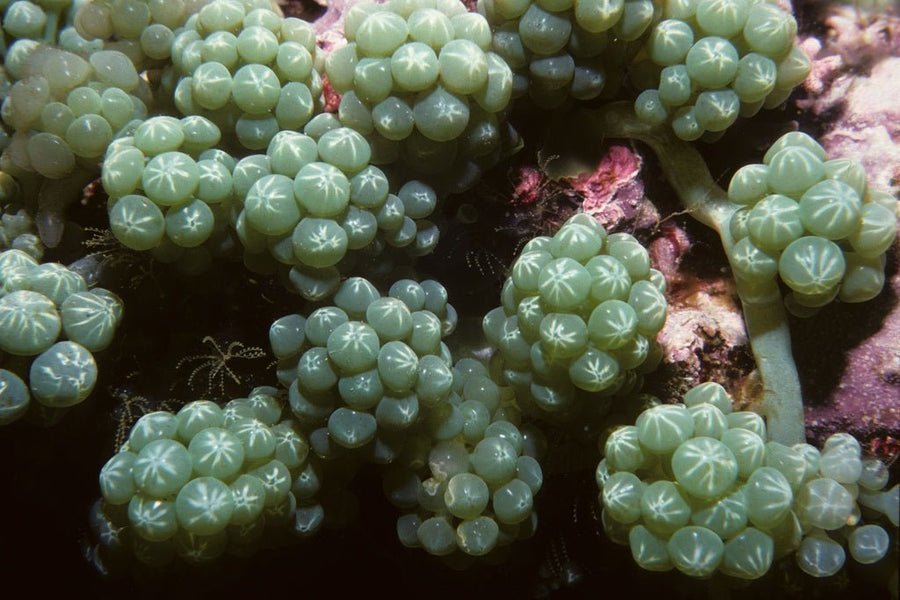
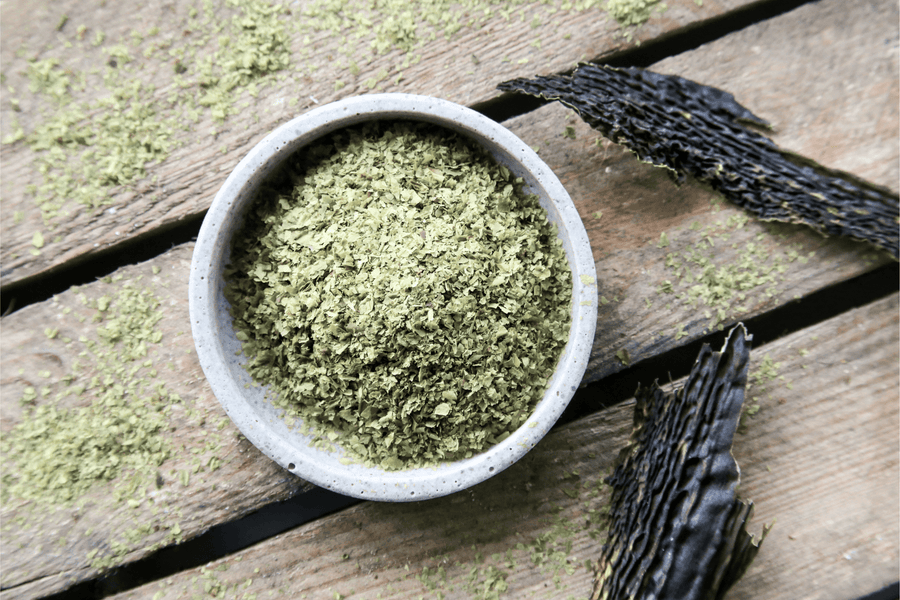
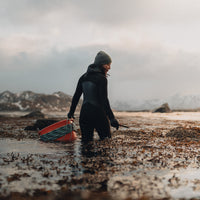
Bei der ersten Ernte des Jahres konzentrieren wir uns auf Rotalgen – hauptsächlich Trüffelalgen und Nori –, die an den felsigen Ufern des Nappstraumen gesammelt werden können. Für diese Algenernte sind weder Neoprenanzüge noch Schwimmkenntnisse erforderlich, aber warme Kleidung ist unerlässlich, da Sie stundenlang in der Kälte unterwegs sein werden. Sie bewegen sich auf Felsen, die sehr rutschig sein können, daher ist Trittsicherheit von Vorteil! Die Tage sind zu dieser Jahreszeit kurz, und sowohl Trüffelalgen als auch Nori sind sehr gefragt. Daher kann es vorkommen, dass Sie gelegentlich bei Dämmerung ernten müssen. Keine Sorge – wir stellen Stirnlampen zur Verfügung!
Zu dieser Jahreszeit können Sie auf den Lofoten Winteraktivitäten wie Langlaufen, Eislaufen und Kick-Sloading genießen. Ab Ende Februar beginnt die berühmte Kabeljaufischerei der Lofoten – eine ideale Zeit also für alle, die an dieser traditionsreichen Aktivität teilnehmen möchten. Nordlichter sind im März sichtbar (vorausgesetzt, der Himmel ist klar) – ein unvergessliches Erlebnis! Das Wetter ist in dieser Jahreszeit unbeständig und kann extrem sein. Einige der bekanntesten Wanderungen auf den Lofoten (z. B. auf den Reinebringen) sind nicht sicher, daher sollten Sie gemütliche Abende zu Hause einplanen.
Sommer (April – Juni)

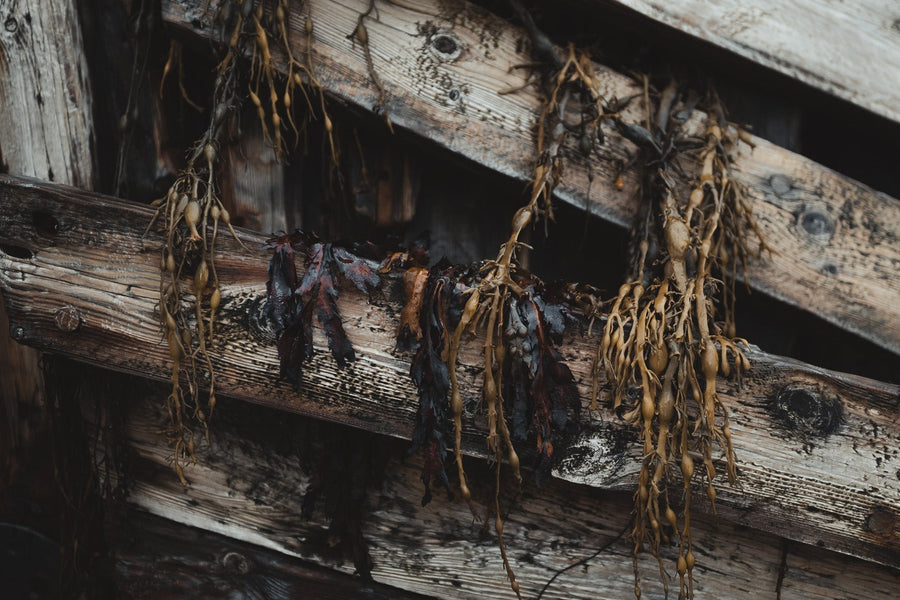
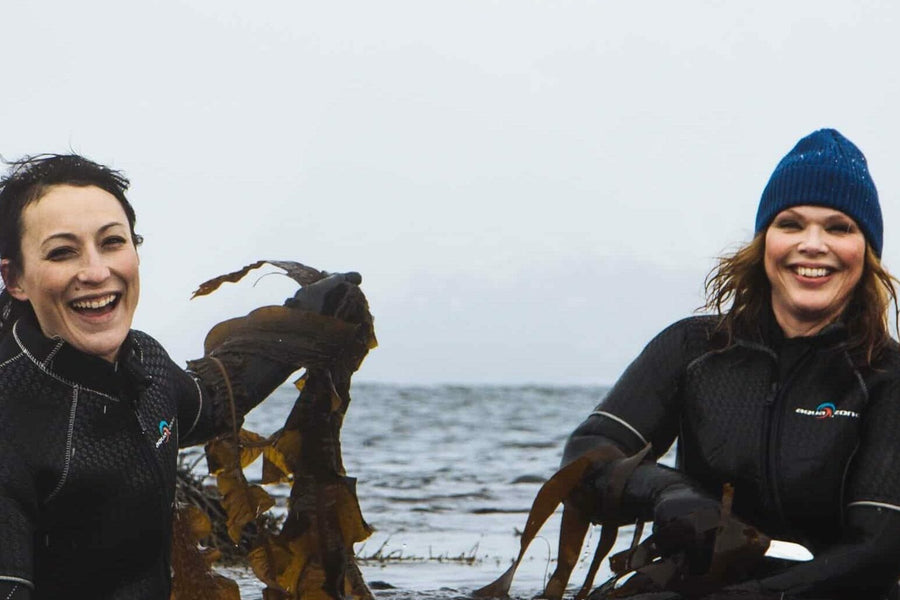
Bei dieser Ernte schlüpfen Sie in Neoprenanzüge und Handschuhe, steigen in ein Boot und waten bis zum Hals im Arktischen Ozean – im wahrsten Sinne des Wortes! In diesen Monaten sammeln wir die größeren Kelparten – genauer gesagt Flügeltang, Zuckertang und Riementang. Sie werden halb unter Wasser sein und sich in unruhigem Wasser durch dichte Kelpwälder bewegen. Daher ist es wichtig, dass Sie ein sicherer Schwimmer sind. Mit unseren nachhaltigen Methoden sammeln Sie innerhalb weniger Wochen Hunderte von Kilo Seetang – unser aktueller Rekord liegt bei 13 Tonnen! Sobald die mit Seetang gefüllten Eimer wieder in unserer Produktionsstätte sind, wiegen und messen Sie jede einzelne Ernte, damit wir sie in unserer Datenbank erfassen können. Anschließend breiten Sie den Seetang in unserem Trockenraum auf Gestellen aus. Der Zeitplan ist flexibel – wir fahren los, wenn die Bedingungen stimmen: Niedrigwasser, schönes Wetter, leichter Wind. Das bedeutet, dass Sie gelegentlich früh anfangen und spät ankommen müssen, aber zu dieser Jahreszeit ist es rund um die Uhr hell.
Es gibt wenige Orte auf der Welt, die an einem schönen Sommertag so spektakulär sind wie die Lofoten. Mit 24 Stunden Tageslicht von Mitte Mai bis Mitte Juli und Temperaturen bis zu 25 °C vergisst man leicht, wie weit nördlich man sich befindet. Im Sommer erwacht die Inselgruppe zum Leben: Saisonale Restaurants öffnen ihre Pforten, und am 17. Mai wird der norwegische Unabhängigkeitstag gefeiert. Doch Vorsicht: So schön die sonnigen Tage auch sind, das Wetter ist unberechenbar, und die Temperatur kann plötzlich auf etwa 10 °C fallen, begleitet von kaltem Regen und starkem Wind. Ob man schönes Wetter erwischt oder nicht, ist Glückssache, aber mit der richtigen Einstellung kann man die Natur auch bei schlechtem Wetter genießen. Wie die Einheimischen sagen: Es gibt kein schlechtes Wetter, nur unpassende Kleidung!
Herbst (September – Oktober)

Im Herbst bietet sich uns noch einmal die Gelegenheit, Algen zu sammeln. Diesmal konzentrieren wir uns wieder an Land auf Trüffelalgen und Nori. Rotalgen wachsen zwar das ganze Jahr über, aber ihr Geschmack ist in den kälteren Monaten am intensivsten. Ab Ende September beginnt ein Wettlauf gegen die Zeit: Wir müssen so viele Algen wie möglich ernten, bevor es zu dunkel und kalt wird.
Diese Jahreszeit auf den Lofoten ist durchwachsen. Bei den Einheimischen ist sie besonders beliebt, da die touristische Hochsaison vorbei ist und Ruhe auf die Inseln zurückkehrt. Das Wetter ist meist schön und ideal zum Wandern, doch mit etwas Glück kann es auch stürmisch werden. Schnee kann bereits im Oktober fallen, dafür sind die Nordlichter ab Ende August zu sehen. Die Temperaturen schwanken stark (wie zu jeder Jahreszeit auf den Lofoten), liegen aber meist zwischen 8 und 10 Grad Celsius.
Klingt das immer noch nach Ihrem Traumjob?
Häufig gestellte Fragen
Ist dies eine bezahlte Stelle?
Handelt es sich um eine Vollzeitstelle?
Wie sieht der Arbeitsplan aus?
Stellen Sie ausländische Arbeitskräfte ein?
Bieten Sie Unterkünfte an?
Bieten Sie Transportmöglichkeiten an?
Benötigt man einen Bootsführerschein?
Wie läuft der Bewerbungsprozess ab?
Tamara wuchs in Neuseeland auf, wo ihre japanische Mutter in fast jeder Mahlzeit Algen verwendete und so ihre Liebe zu gutem Essen und Aromen prägte. Nach ihrem Umzug nach Norwegen begann sie, die Gerichte ihrer Kindheit mit handgeernteten Algen von der arktischen Küste nachzukochen. Heute lässt sie ihre Leidenschaft für die japanische Küche und ihre Liebe zum Detail in jedes Produkt von Lofoten Seaweed einfließen.